Understanding the Flopping Phenomenon in the NBA
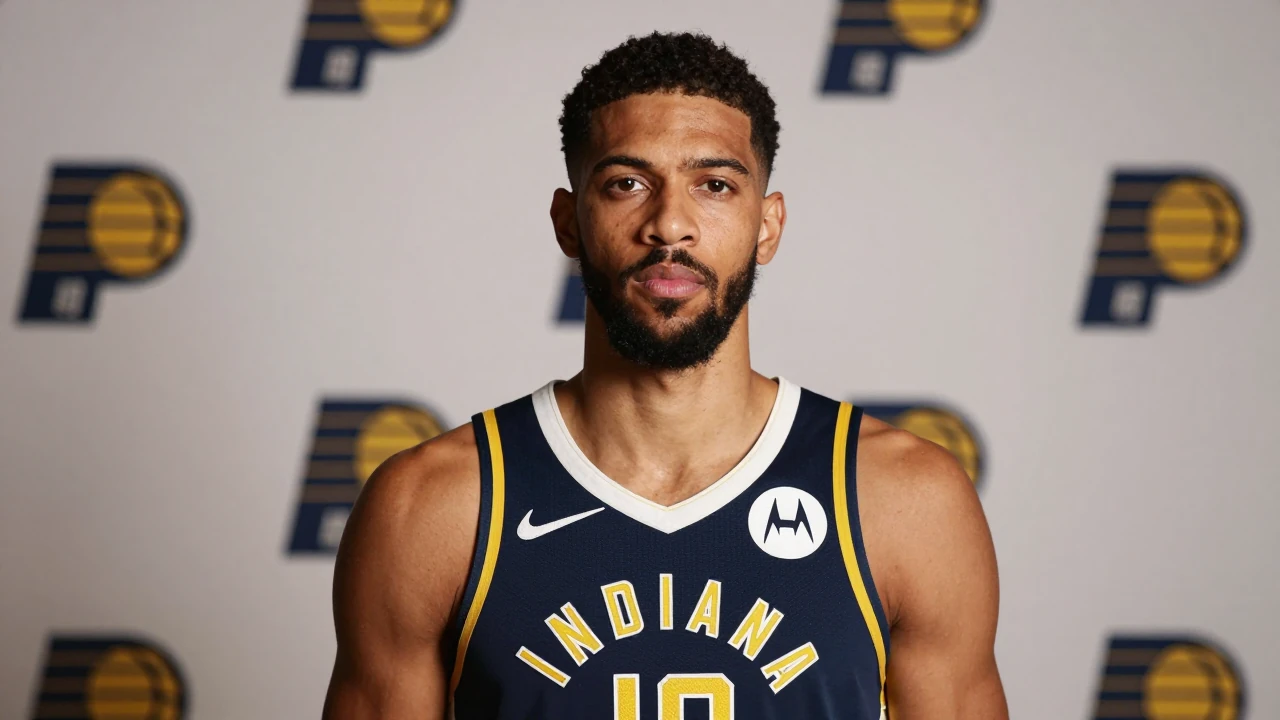
The NBA has long wrestled with the issue of flopping-a tactic where players exaggerate contact to draw fouls. This controversial practice can alter the dynamics of a game, influencing not just the score but the overall flow. As the Indiana Pacers' floor general, Tyrese Haliburton recently addressed this topic, providing valuable insights into whether flopping is being taught at the highest level of basketball.
Haliburton, known for his sharp basketball IQ and playmaking abilities, isn't just focused on scoring or assists; he also pays attention to the subtleties of the game. His thoughts on flopping reflect a broader concern within the league about integrity and sportsmanship. As fans, it's crucial to understand how these tactics can shape our beloved sport.
Haliburton’s Take on Flopping
In a recent interview, Haliburton was asked if he believes players intentionally learn to flop. His response was nuanced. He acknowledged that while some players might employ flopping as a tactic, he emphasized the importance of authenticity in the game.
- Basketball as a Skill Game: Haliburton pointed out that true skill lies in outsmarting opponents without resorting to deceptive tactics. - Impact on Game Flow: He argued that flopping disrupts the natural flow of the game, leading to unnecessary stoppages and confusion among players and fans. - Cultural Shift: Haliburton suggested that there’s a cultural shift towards valuing genuine competition over theatrics.
His perspective resonates with many fans who appreciate the beauty of skillful play rather than the drama of exaggerated falls.
What this means for Indiana Pacers
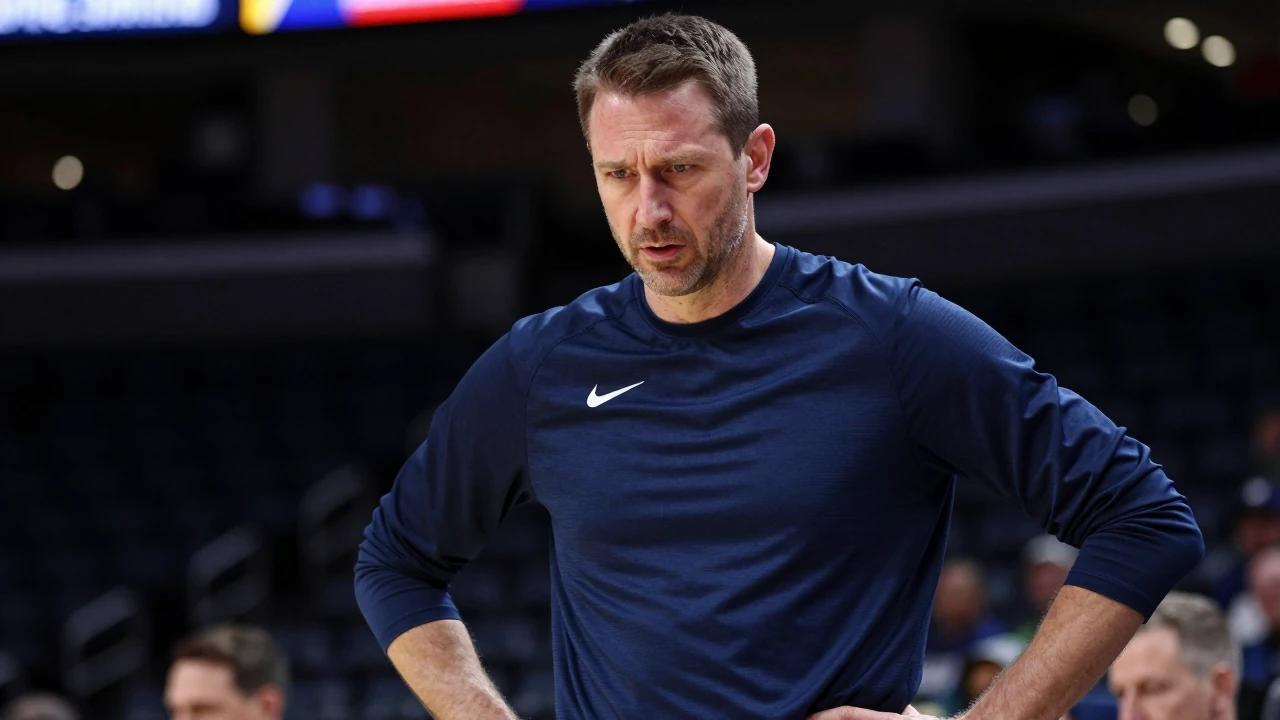
For the Indiana Pacers, Haliburton's stance on flopping is particularly significant. As the team continues to develop its identity under head coach Rick Carlisle, the emphasis on sportsmanship and skillful play can set a standard for the roster.
- Building a Culture: Haliburton's leadership encourages a culture where players prioritize integrity and teamwork. - Transition Play: The Pacers thrive on up-tempo offense, and flopping can slow down transition opportunities. By avoiding such tactics, the team can maintain their fast-paced style. - Fan Engagement: Fans of the Pacers appreciate watching a team that plays hard and fair. Haliburton’s approach aligns with the values of the franchise and its supporters.
The Wider Championship Picture
Flopping isn't just a minor nuisance; it has implications for the league's championship contenders. Teams that rely on flopping may find themselves at a disadvantage when facing opponents who play with authenticity.
- Referee Influence: As referees become increasingly aware of flopping, teams that rely on these tactics may face stricter scrutiny, potentially leading to more offensive fouls called against them. - Playoff Performance: In high-stakes playoff situations, genuine skill and teamwork often shine through. Teams that focus on fundamentals may have a better chance at success in the postseason. - League Reputation: The NBA's reputation as a premier basketball league can be affected by the prevalence of flopping. A shift towards more honest play can enhance the sport's stature globally.
Fan Reaction and Outlook
Fans have varied opinions on flopping; some see it as a tactical necessity while others view it as detrimental to the sport. Social media reactions suggest a growing dissatisfaction with players who flop excessively.
- Calls for Change: Many fans are voicing their support for stricter penalties against flopping, advocating for a more authentic version of the game. - Engagement on Social Platforms: Haliburton's comments have sparked conversations across platforms like Instagram, where fans express their views on whether flopping should be part of the game. - Future of the Game: The ongoing dialogue about flopping may lead the NBA to reevaluate its rules and enforcement, impacting how the game is played.
Critics of Haliburton's View
While Haliburton's insights resonate with many, critics argue that flopping plays a strategic role in modern basketball. Some contend that it's a skill in itself, allowing players to draw fouls and gain advantages. They point out that understanding how to navigate the rules can be just as important as raw talent.