The 2013 Miami Heat are often heralded as one of the greatest teams in NBA history, and their path to the championship was marked by defining moments against formidable opponents, notably the Indiana Pacers and the San Antonio Spurs. With a roster featuring LeBron James, Dwyane Wade, and Chris Bosh, this team not only displayed exceptional talent but also a tactical prowess that set them apart from their contemporaries. Understanding how they navigated their playoff journey offers valuable insights into the dynamics of championship basketball.
A Tactical Masterclass: The Heat vs. Pacers
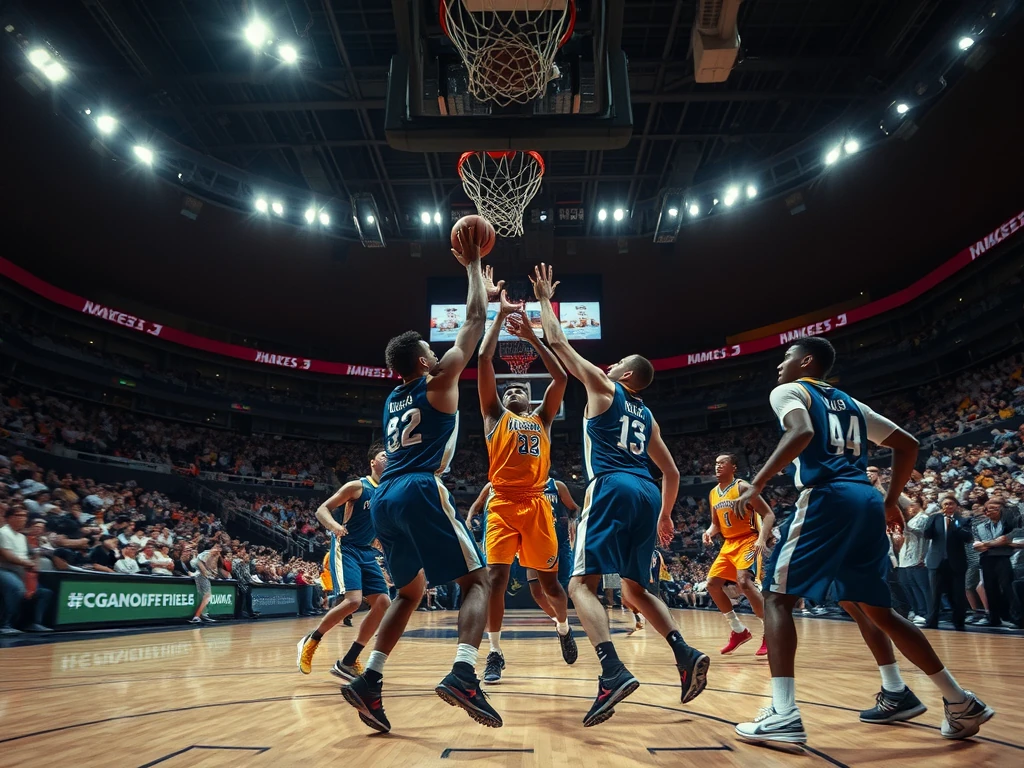
In the Eastern Conference Finals, the Heat squared off against the Pacers in a seven-game series that epitomized the clash of styles. The Pacers, anchored by the defensive prowess of Roy Hibbert and the scoring ability of Paul George, posed a significant challenge. However, the Heat's adaptability and execution under pressure were telling. They won the series 4-3, showcasing their ability to close out games, especially in pivotal moments.
LeBron James was a force throughout the series, averaging 30.3 points, 9.7 rebounds, and 5.5 assists per game. His ability to drive to the basket and create opportunities both for himself and his teammates was unmatched. The pivotal Game 7 saw the Heat triumph 99-76, where they limited the Pacers to a mere 36% shooting from the field.
- Key tactical elements: - LeBron's versatility: He often played both forward and guard positions, creating mismatches. - Defensive adjustments: The Heat focused on limiting Hibbert's impact in the paint, forcing the Pacers to rely on perimeter shooting. - Clutch performance: The Heat's ability to execute in crunch time was critical, particularly in Game 6, where they made a stunning comeback.
The Championship Showdown: Heat vs. Spurs
Following their hard-fought victory over the Pacers, the Heat faced the San Antonio Spurs in the 2013 NBA Finals, a matchup that was highly anticipated. The Spurs, led by the ageless Tim Duncan, the sharpshooting Tony Parker, and the dynamic Kawhi Leonard, were a well-oiled machine, known for their ball movement and defensive acumen. However, the Heat’s depth and star power proved to be decisive.
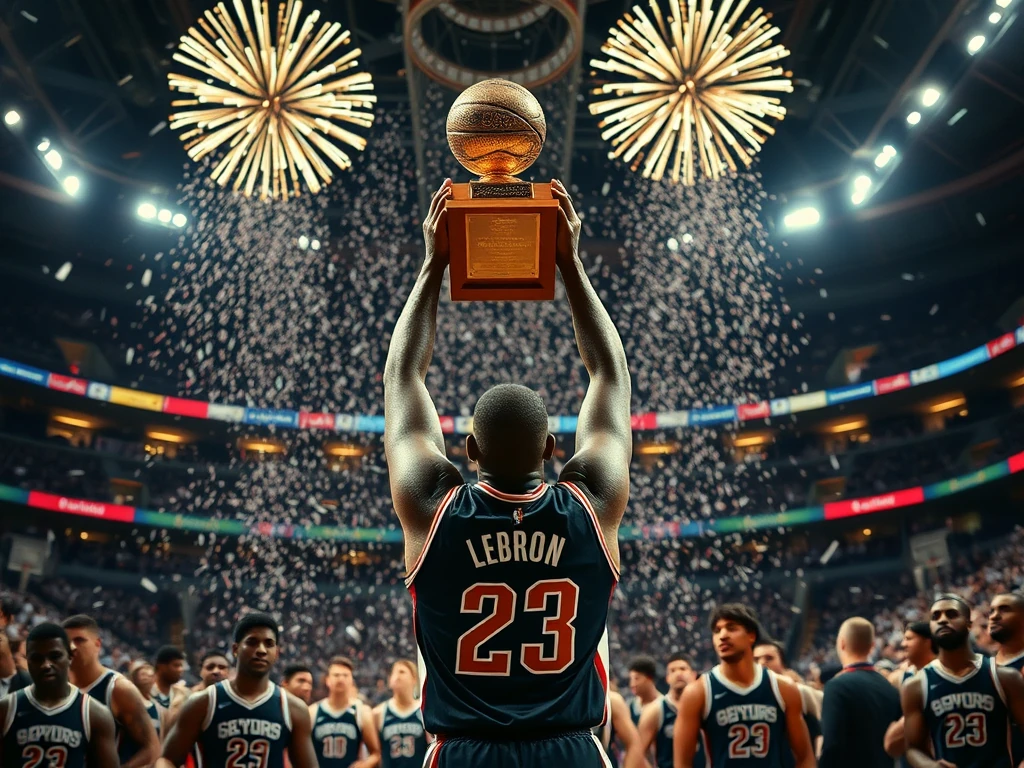
Game 6 of the Finals is etched in NBA history as one of the most dramatic games ever played. The Heat faced a 5-point deficit with just 28 seconds remaining but managed to force overtime, thanks in large part to a crucial three-pointer from Ray Allen. In the ensuing overtime, the Heat clinched their second consecutive title with a 95-88 victory, ultimately winning the series 4-3.
- Highlights from the Finals: - LeBron's performance: Averaging 25.3 points, 10.9 rebounds, and 7.0 assists in the Finals. - Ray Allen's clutch shooting: His three-pointer in Game 6 is one of the most iconic moments in NBA history. - Defensive efforts: The Heat’s ability to switch and contest shots effectively countered the Spurs’ offensive schemes.
The Legacy of the 2013 Heat
The 2013 Miami Heat not only secured their place in NBA history with this championship run but also set the standard for future teams. Their combination of star power, tactical flexibility, and mental resilience has influenced how teams are constructed and how games are played. The emphasis on player versatility, three-point shooting, and defensive schemes has become a blueprint for success in today’s NBA.
For the Indiana Pacers, this series was a learning experience. It highlighted the need for improved offensive strategies and depth, particularly when facing elite teams. The Pacers would subsequently look to bolster their roster, aiming to build a team capable of competing at that high level.
What this means for Indiana Pacers
Fans of the Indiana Pacers can draw valuable lessons from the 2013 Heat. The need for a more dynamic offense and versatile players has never been clearer. As the Pacers look to re-establish themselves as contenders in the Eastern Conference, the memories of their battles against the Heat serve as both a reminder and a motivation.
The Pacers have made strides in recent seasons, but the challenge remains to overcome the mental hurdles that come with facing elite teams. Developing a robust bench and enhancing offensive schemes will be crucial for them to compete at the highest level.
Fan Reaction and Outlook
The response from Pacers fans during the 2013 playoffs was a blend of hope and frustration. Many were in awe of the Heat's talent but were equally proud of the Pacers for pushing them to the limit. The atmosphere at Bankers Life Fieldhouse during those playoff games was electric, filled with passionate supporters rallying behind their team. The rivalry with the Heat has since evolved, but the memories of those playoff battles remain fresh in the minds of many.
Looking ahead, Pacers fans are eager to see how the current roster can evolve. With emerging players and a focus on building chemistry, the Pacers have the potential to forge a new identity. The future may hold promise, but the lessons learned from the 2013 Heat will undoubtedly influence their path.