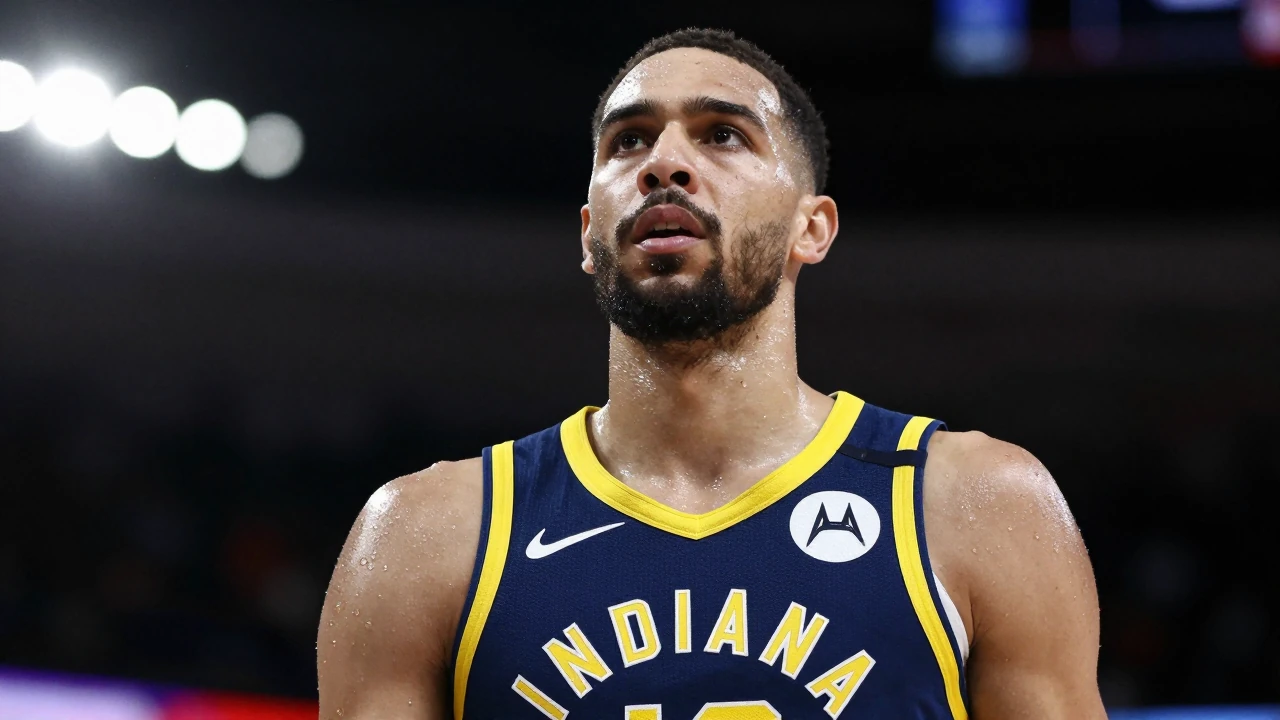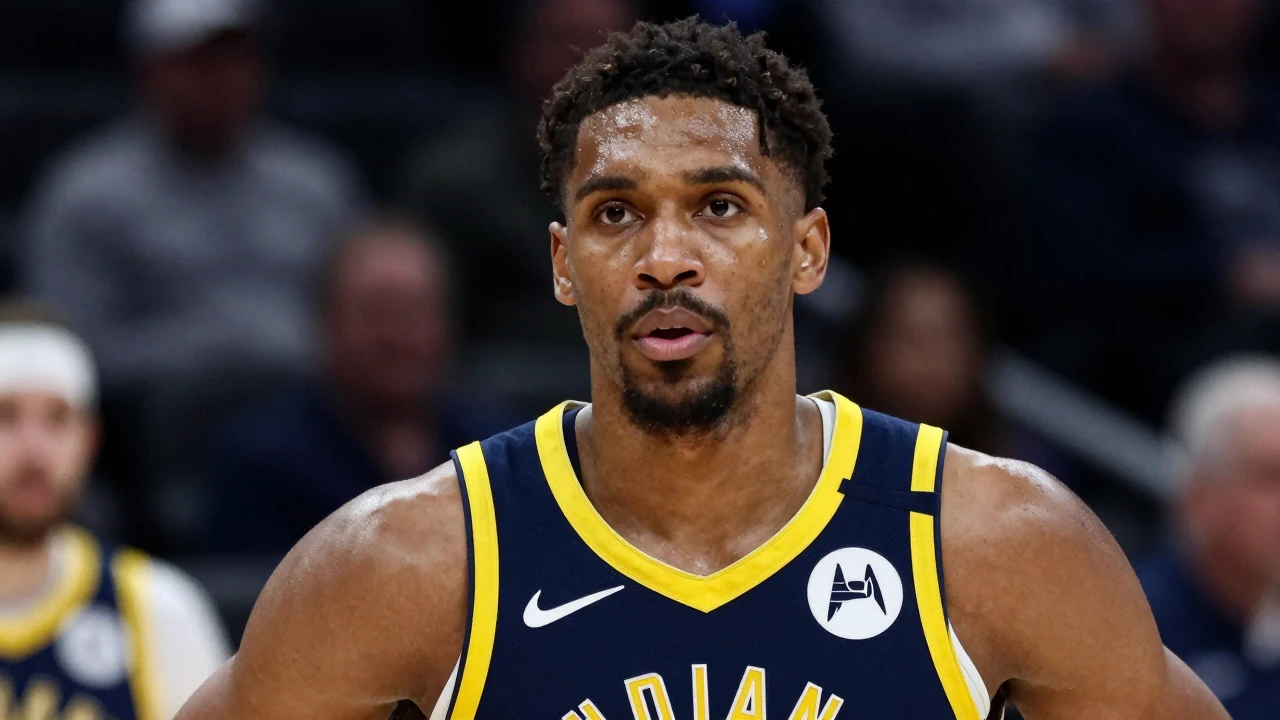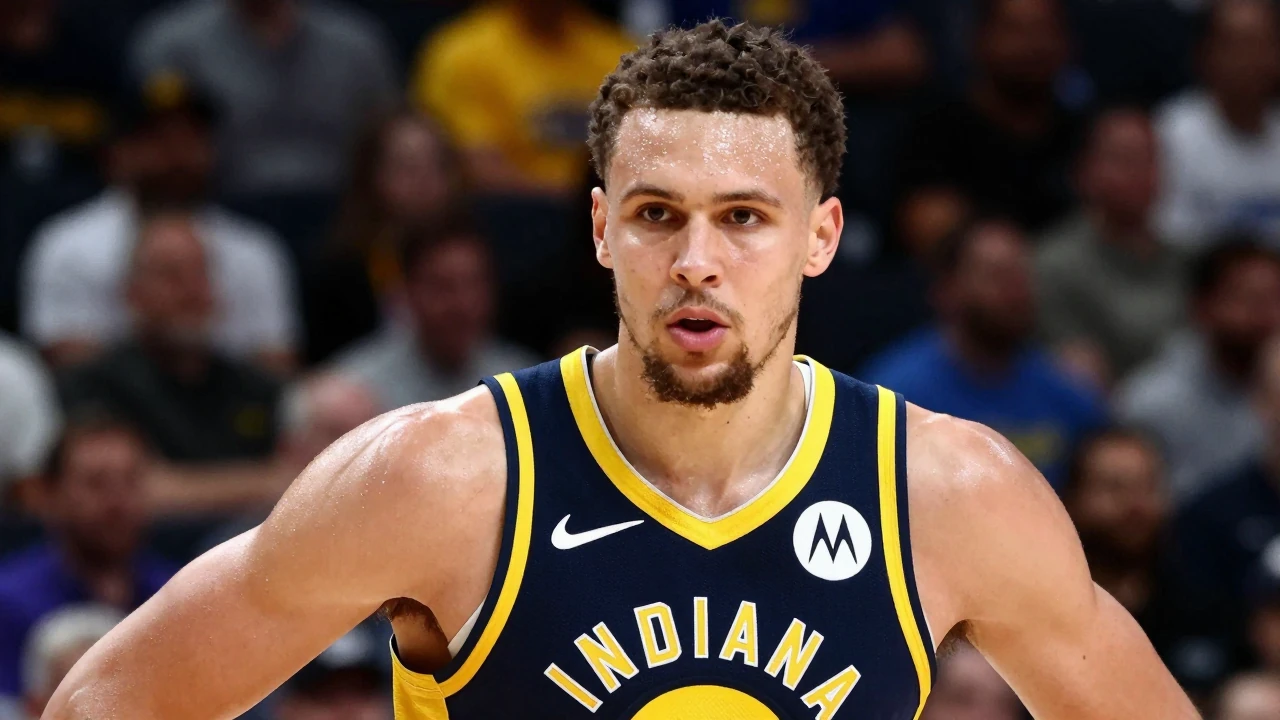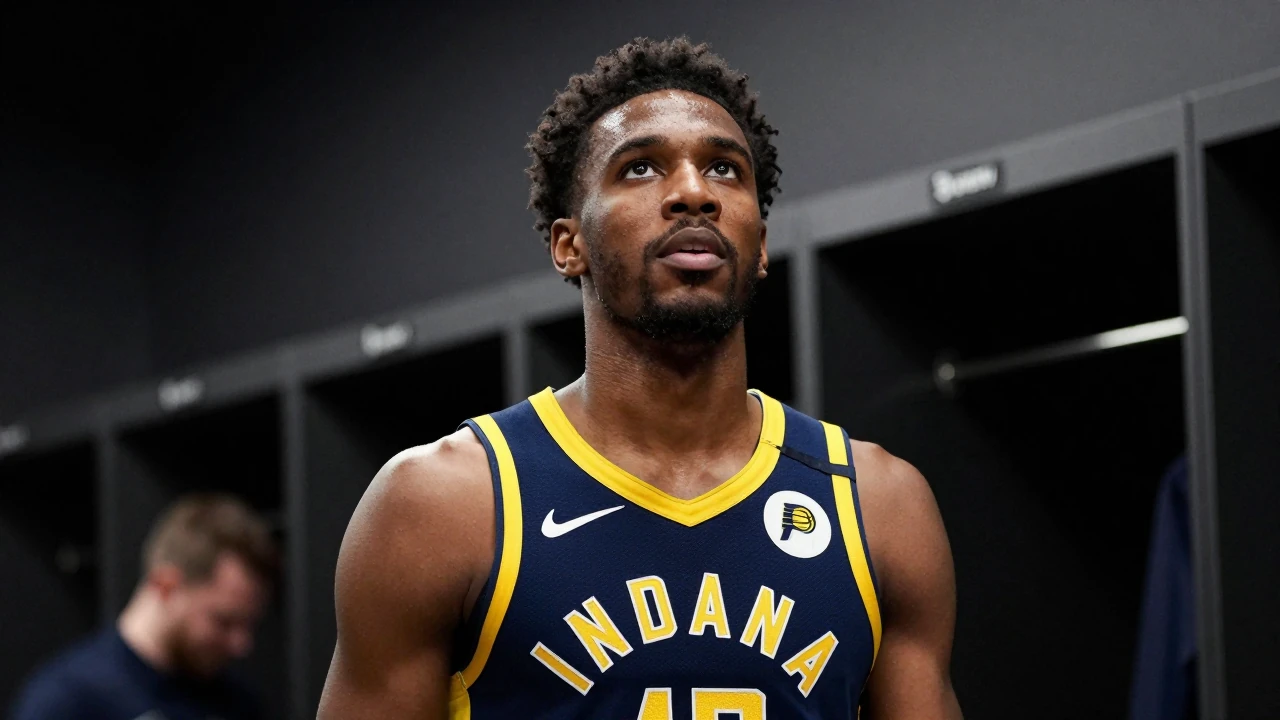
The Indiana Pacers are now valued at $4.2 billion, a massive 17% increase over the past year, according to the latest Forbes data. This financial strength contrasts sharply with their recent on-court performance, which includes a 121-133 loss to the Detroit Pistons on April 12, 2026, and a 1-4 record in their last five games, losing the last four in a row.
What is driving the Pacers' financial value?
The franchise's value has skyrocketed from $880 million in 2016 to its current $4.2 billion valuation. Revenue for the 2024-25 season hit $342 million, with an operating income of $89 million. A key factor is their efficient spending. The team's wins-to-player cost ratio is an impressive 174, meaning they achieved more wins per dollar of payroll than the NBA average during the 2021-22 season.
Player expenses totaled $169 million, while gate receipts brought in $64 million. The team's debt-to-value ratio remains a healthy 6%, which includes arena debt. Ownership under Herbert Simon, Stephen Simon, and Steven Rales, who purchased stakes in 1983 and 2023, has overseen this steady growth. You can track the current roster's contributions on our [squad](/squad) page.
How does the market and arena contribute?
The Pacers benefit from their location in the Indianapolis metro area, which has a population of 2.2 million. Revenue per fan is calculated at $55. Their home, Gainbridge Fieldhouse, is a significant asset. In July 2025, the team secured a major new jersey patch sponsorship with Lucas Oil.
This deal puts the Lucas Oil logo on all uniforms and makes them the official oil partner. A portion of proceeds from jersey sales will go to the Peyton Manning Children's Hospital. Media partnerships with Bally Sports Indiana and 1070 The Fan provide strong local broadcast coverage.
What is the context of their recent losses?
This financial success exists alongside a challenging stretch of games. Their recent form reads 1 win and 4 losses (LLLLW), with the most recent result being that 12-point defeat to the Pistons. While financial metrics like the wins-to-player cost ratio highlight past efficiency, current results are a separate concern for fans checking the [standings](/standings).
Losing four consecutive NBA games puts pressure on any team's playoff positioning. It shows the day-to-day volatility of professional basketball, where long-term franchise value and short-term results don't always align.
What comes next for the franchise?
The Pacers' future involves balancing this strong financial foundation with competitive performance on the perimeter and in the paint. The valuation breakdown attributes portions of the franchise's worth to league-wide revenue sharing, the Indianapolis market size, the Gainbridge Fieldhouse arena, and the strength of the Pacers brand itself.
With a 15% annualized change in value over recent years, the business trajectory is clearly positive. The challenge for management is to translate that stability into a roster that can consistently win and make deep playoff runs. The team's next steps will be closely watched as they look to turn their financial wins into more victories on the scoreboard.